
steteco.com x NUNO
- Product.
- 2022.06.07
Every year since 2008, Nuno has crafted new steteco designs, colours and patterns together with traditional Japanese homewear producer steteco.com, using unique textiles from throughout Japan. This year’s steteco features crisp Takashima chijimi crepe from Konan near Lake Biwa in Shiga Prefecture.
Steteco — the perfect Japanese comfort-wear for summer.
Some items available via the Nuno Online Shop. Please take a look.
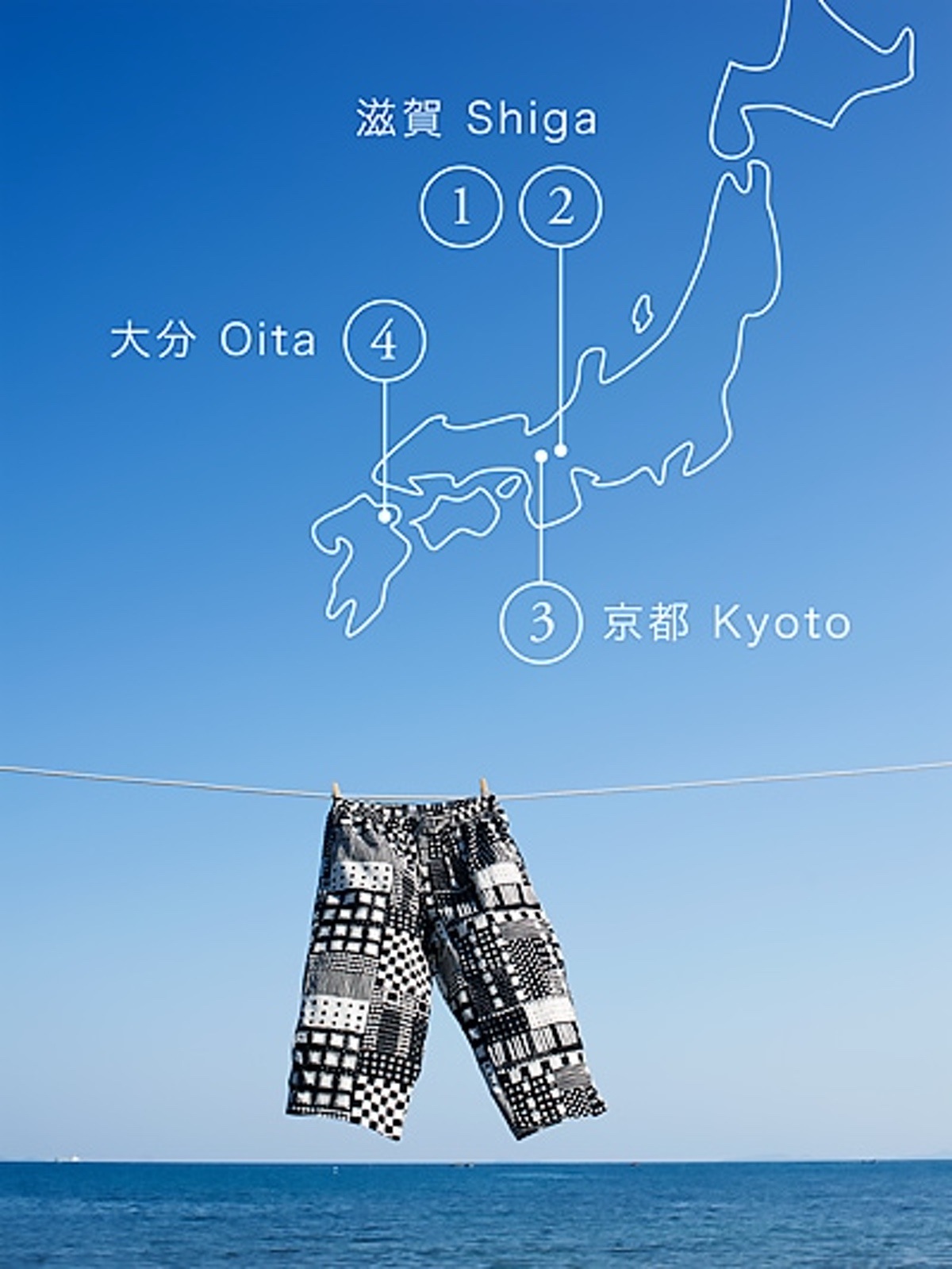
①The Making of Steteco
Weaving Chijimi - Shiga
Steteco.com offers the natural comfort of steteco using cotton chijimi, a traditional Japanese textile which is perfect for a humid climate. Factories spread around Takashima, Shiga, operate their respective processes of weaving yarns into a textile, under the watchful eyes of skilled craftspeople.
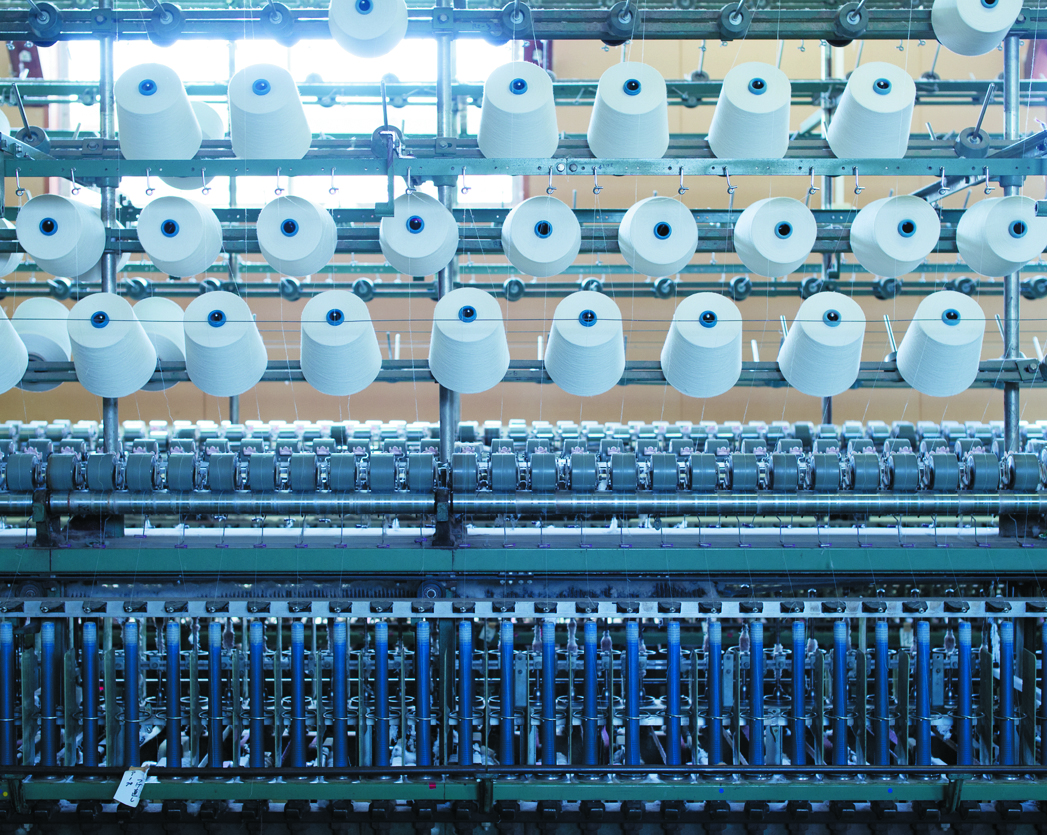
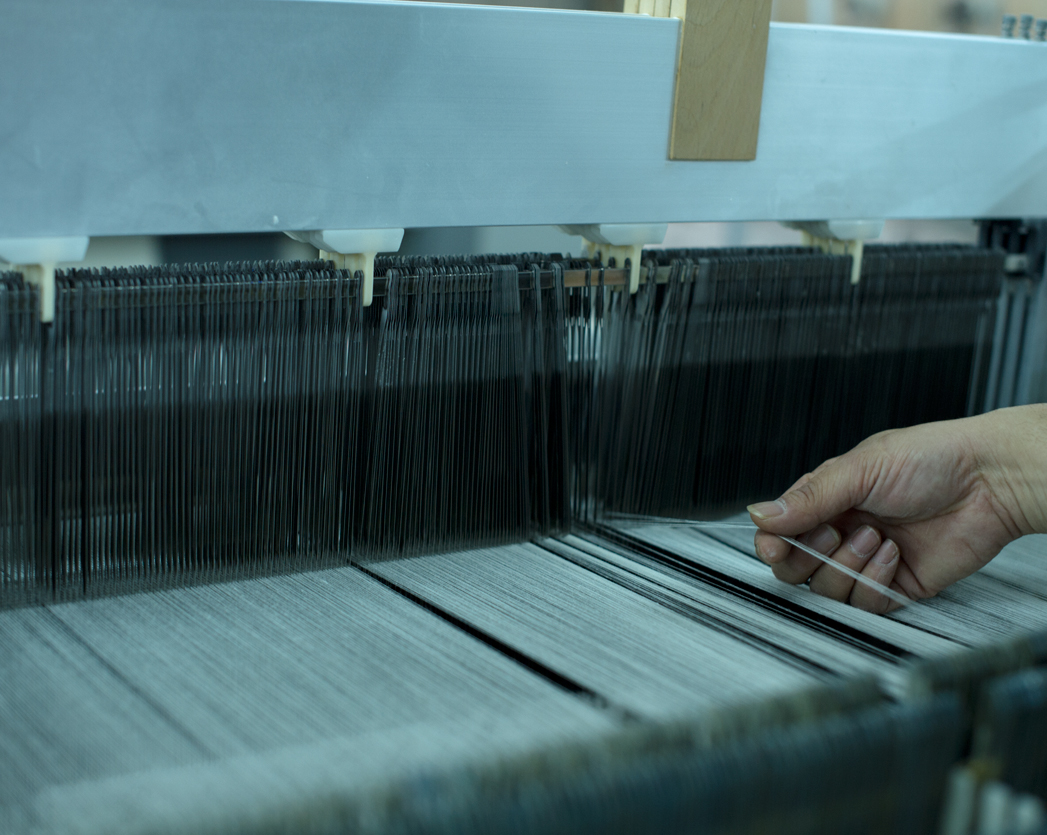
The weft is formed into a powerful ply with 1,200 twists per meter on a ring twisting frame with a high level of evenness.
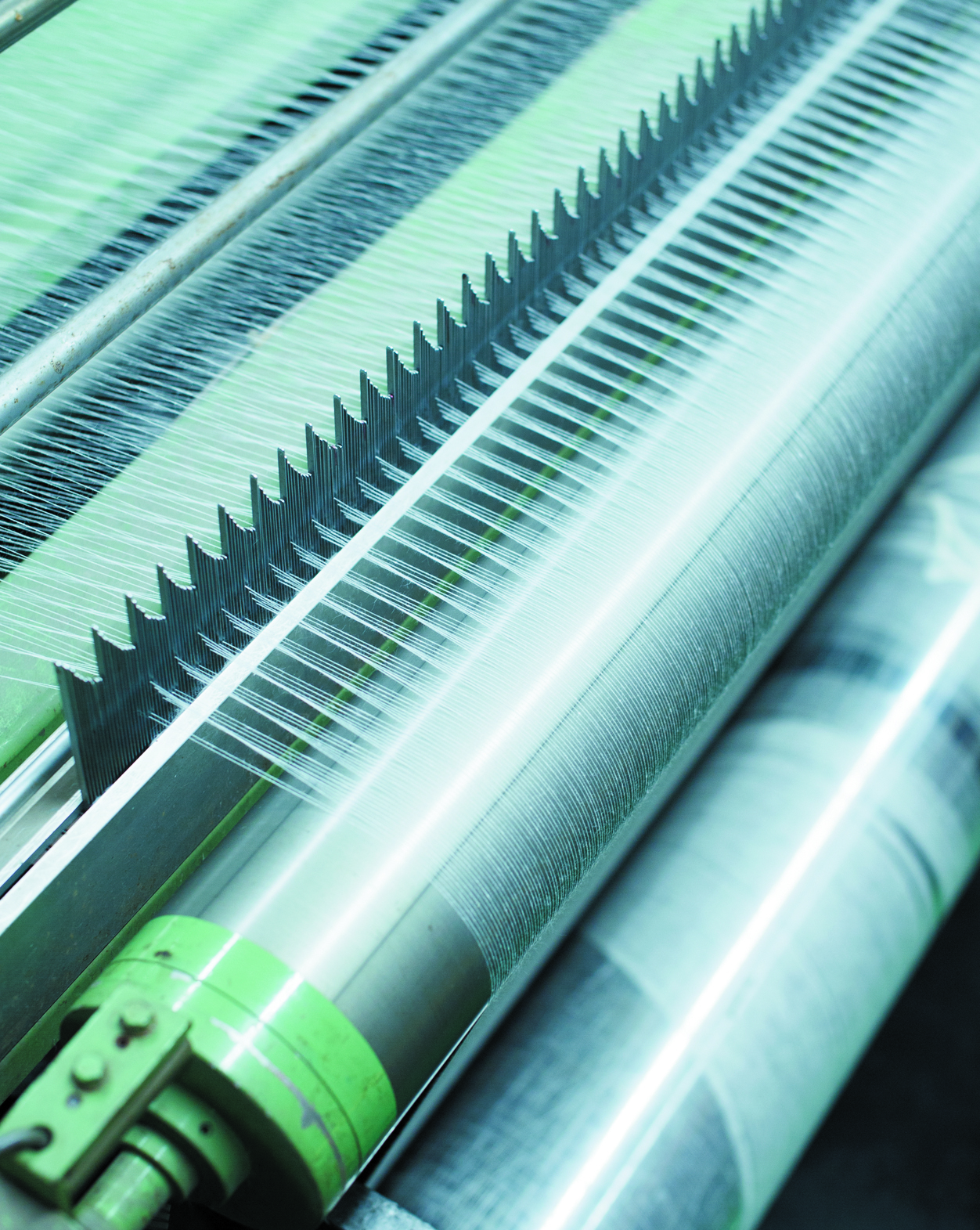
Over 4,000 rolls of warp are evenly aligned and starched at a special factory.
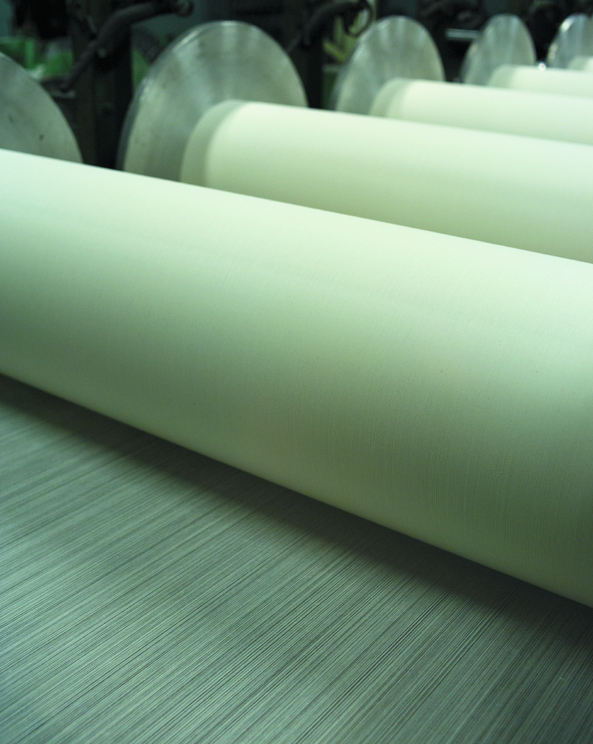
The starched warp and the twisted weft are placed on a loom to be carefully woven together.
②Making Shibo & Bleaching - Shiga
After weaving, textiles are delivered to a bleaching factory in Takashima. The uneven surface, called shibo and produced by utilizing the untwisting force of wefts, is the core of cotton chijimi. Chijimi is a breathable, sweat-absorbent, quick-drying, and comfortable textile first made about 200 years ago in Edo Period.
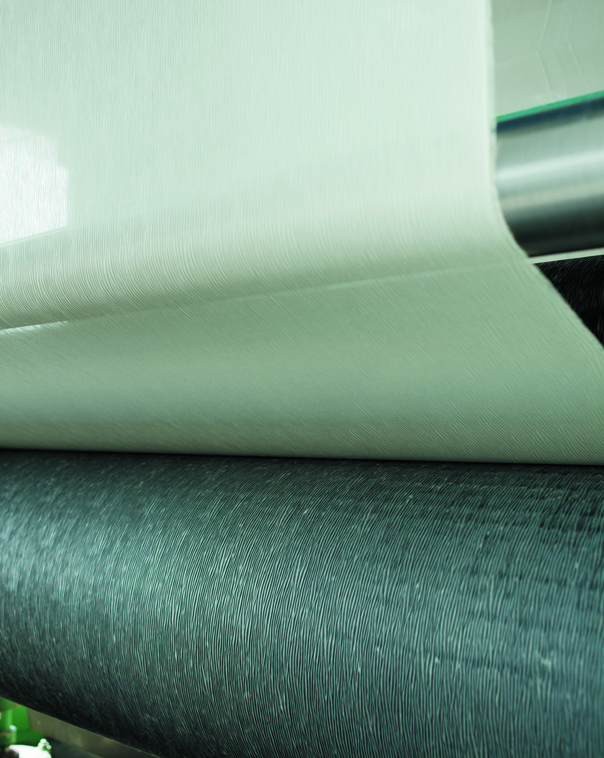
The material goes through a special forming roll to form the uneven surface called shibo.
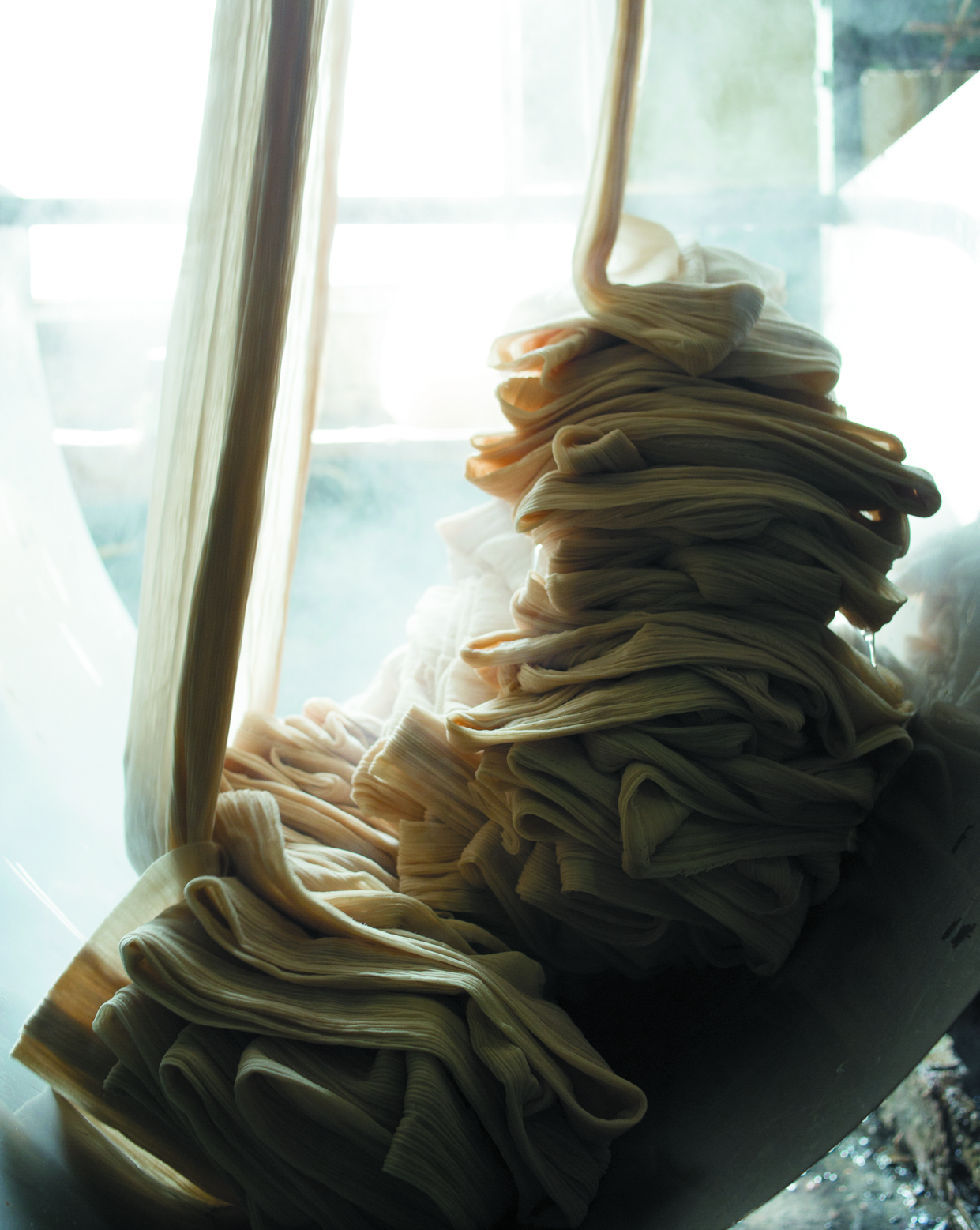
As the twist of the weft passes through hot water and untwists, the width of the material narrows, creating the irregular pattern and natural stretchability.
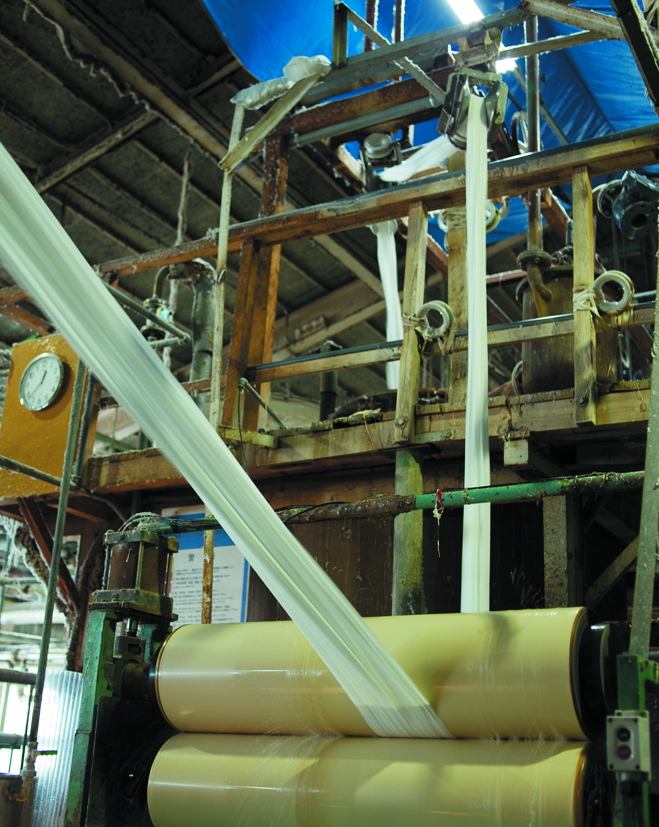
After refining and bleaching, the impurities and starch of the raw cotton are removed to create off-white chijimi.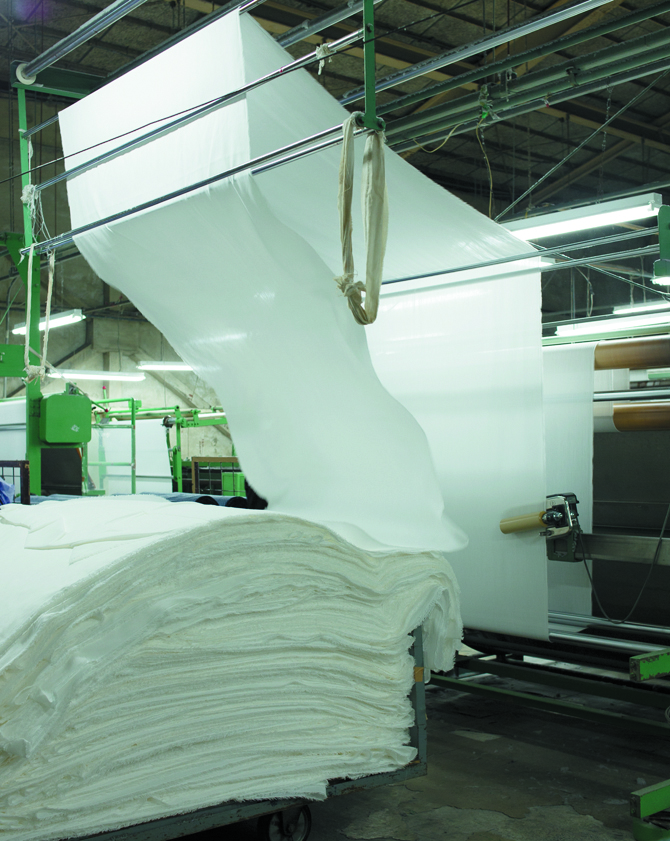
③WPrinting Patterns - Kyoto
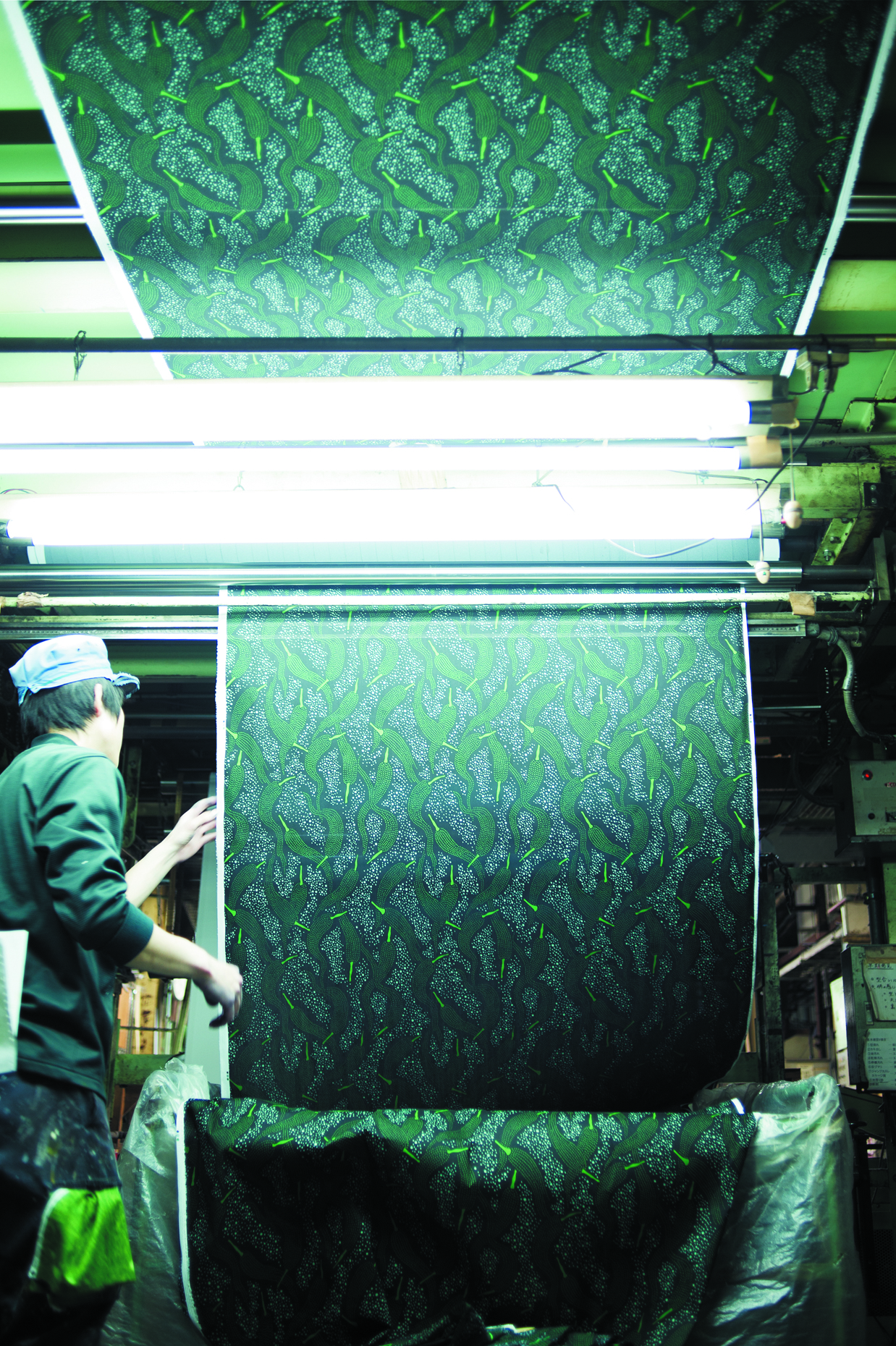
Then, patterns are printed on a chijimi textile with a pattern printing machine in Kyoto. Since the textile has an uneven surface, sophisticated skills are required to print patterns. After water washing and drying, the delicately soft, fresh, original textile is complete.
Colors are lined up in order of the patterns and scrupulously checked to ensure the design comes out correctly.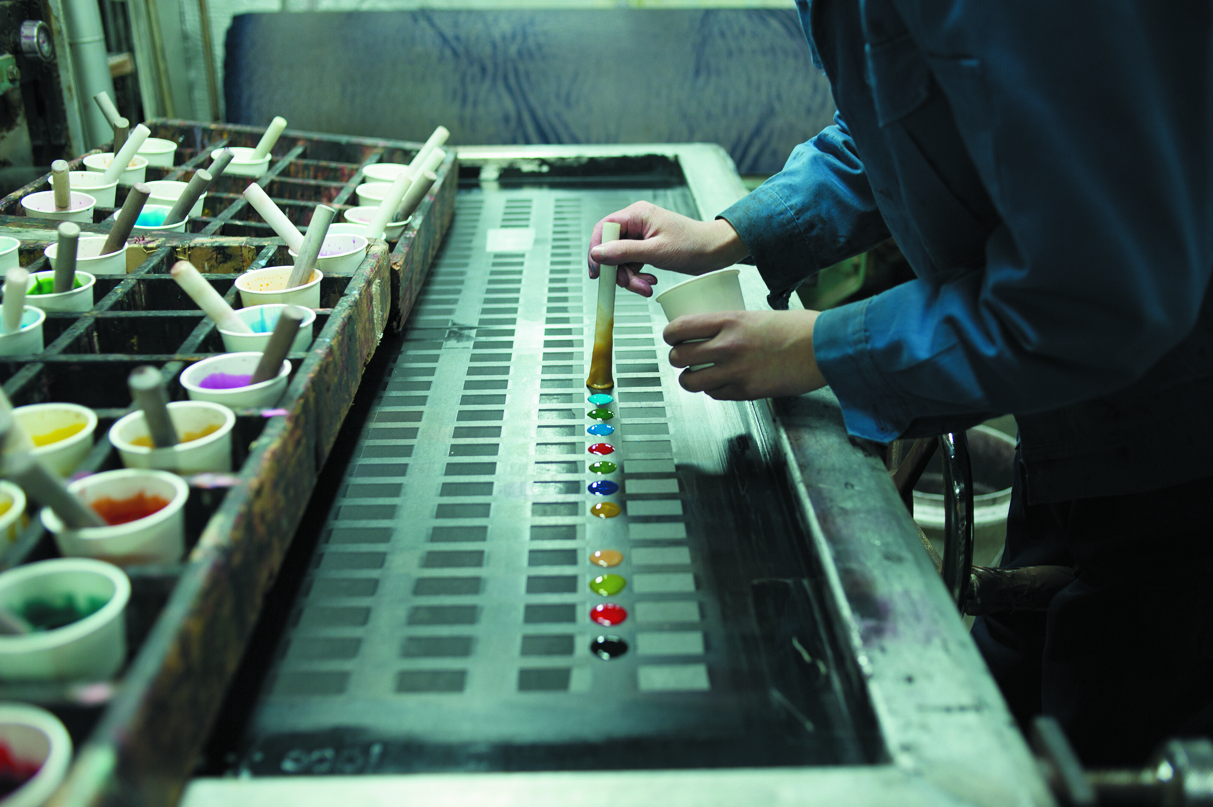
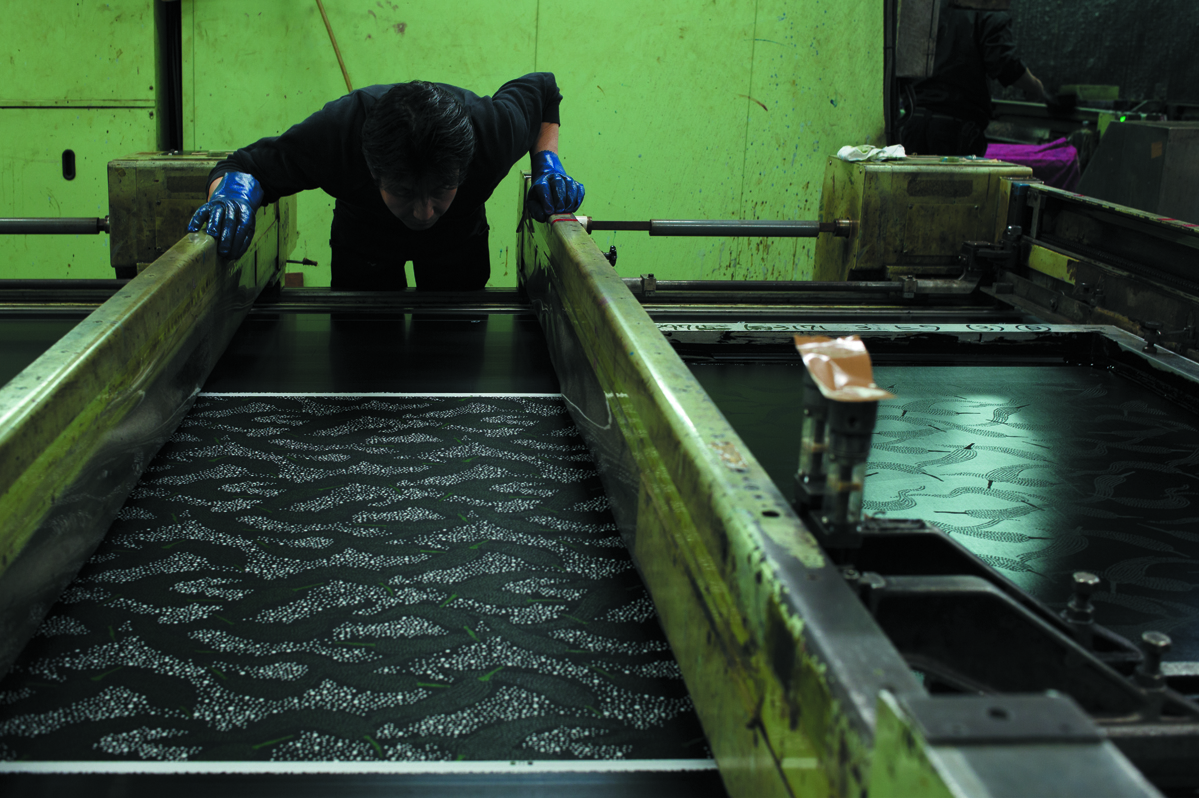
Printing is carried out with painstaking checks to ensure the patterns are printed in the proper position and shibos do not overlap with each other.
steteco.com’s excellent and original chijimi is finally complete!
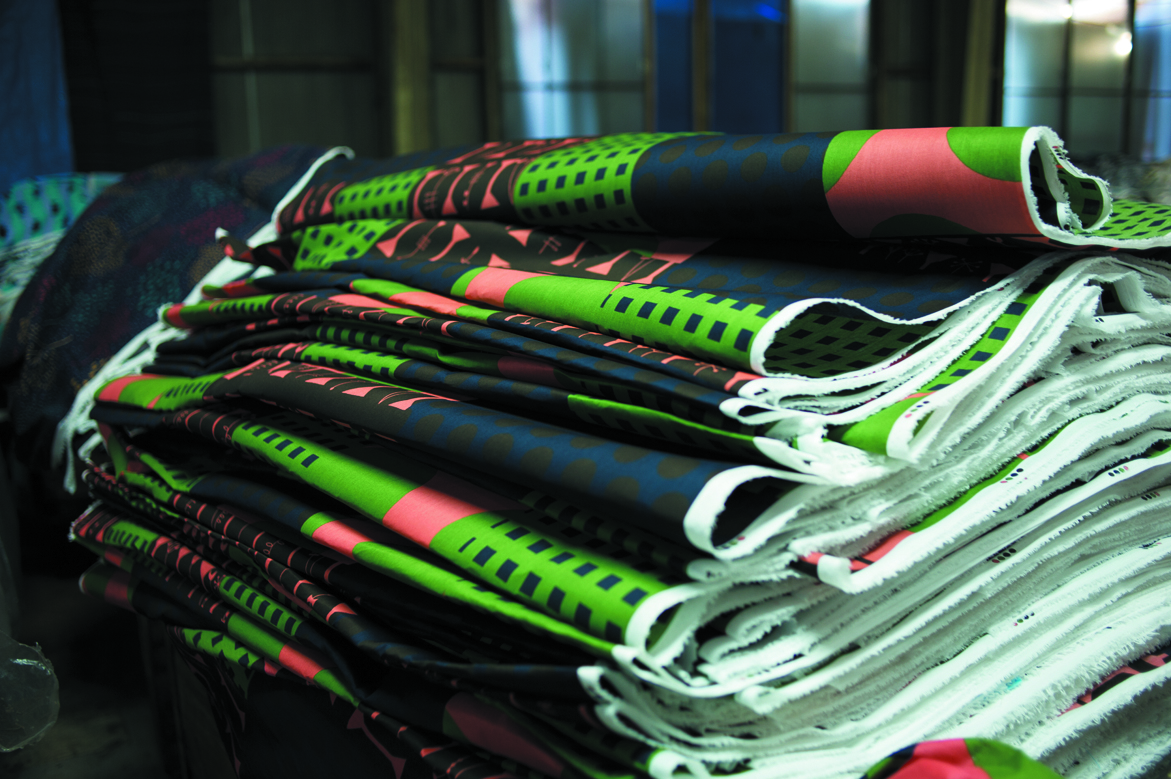
④Cutting & Sewing - Oita
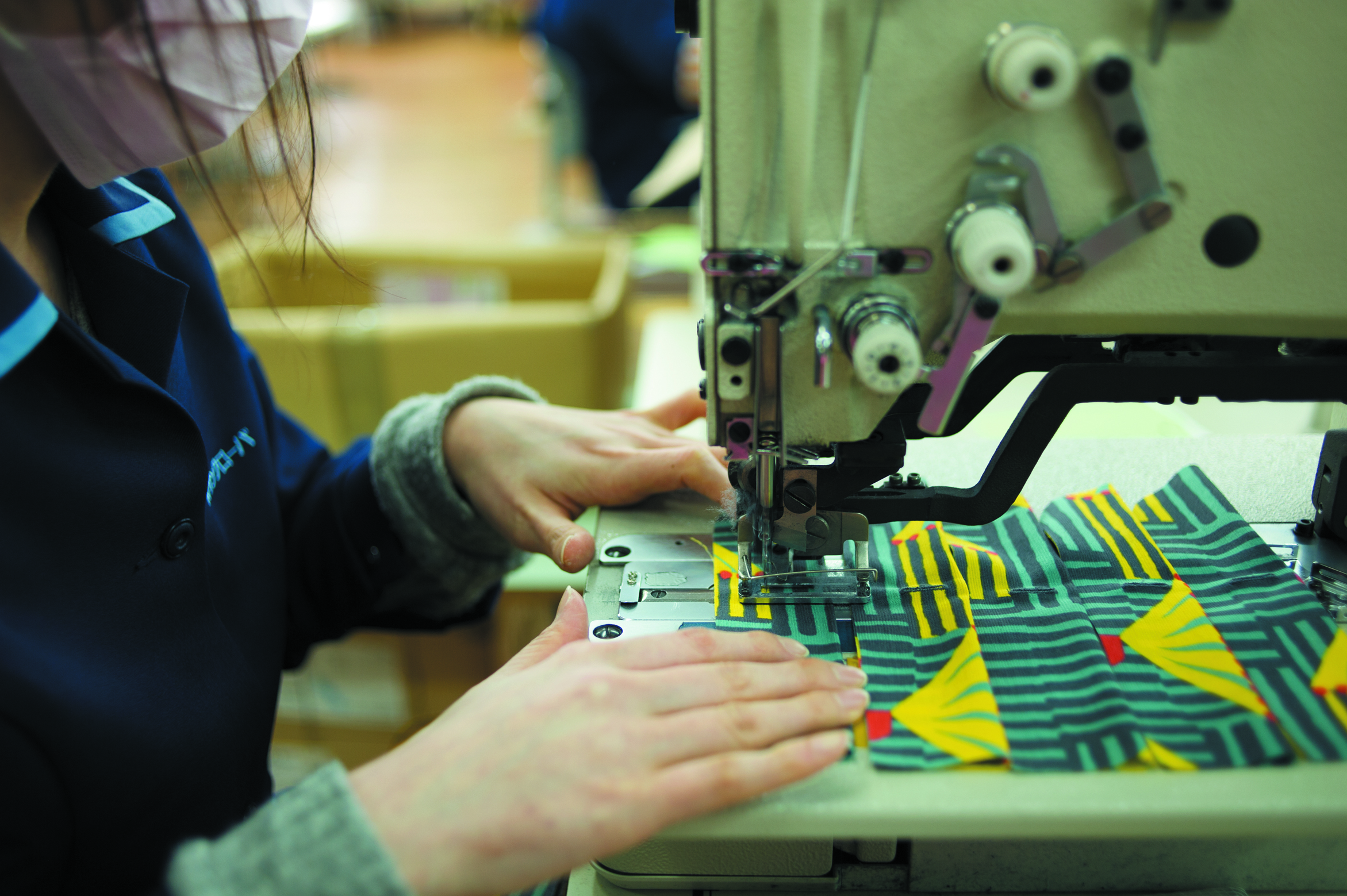
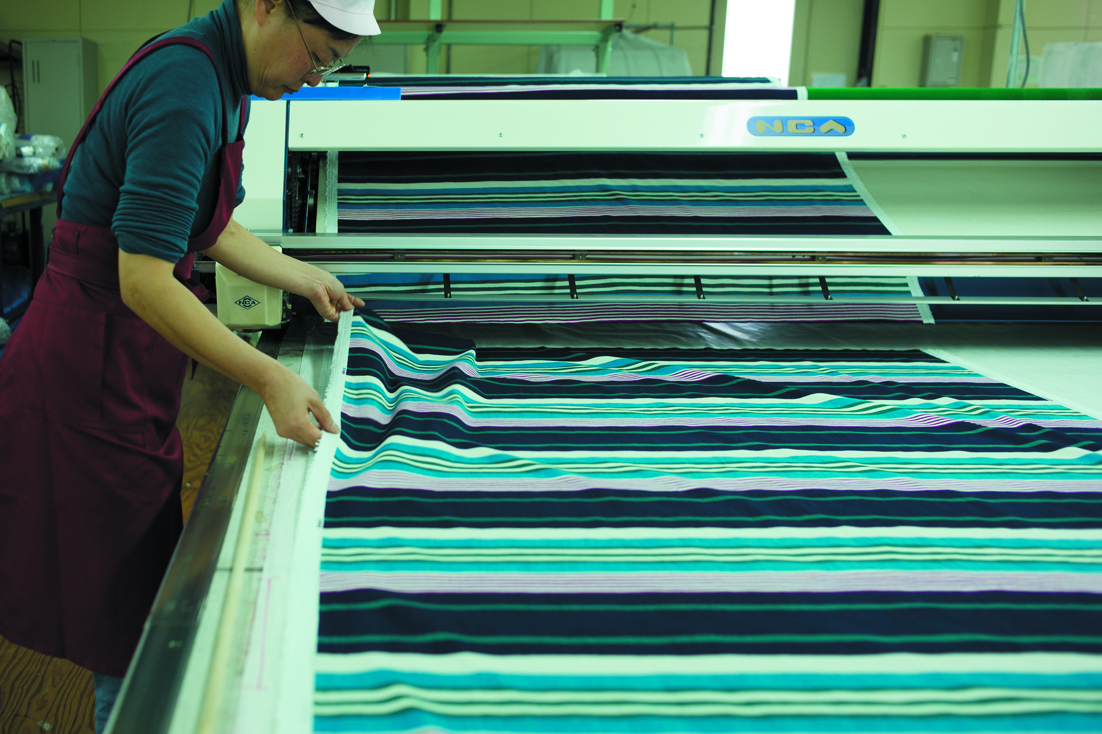
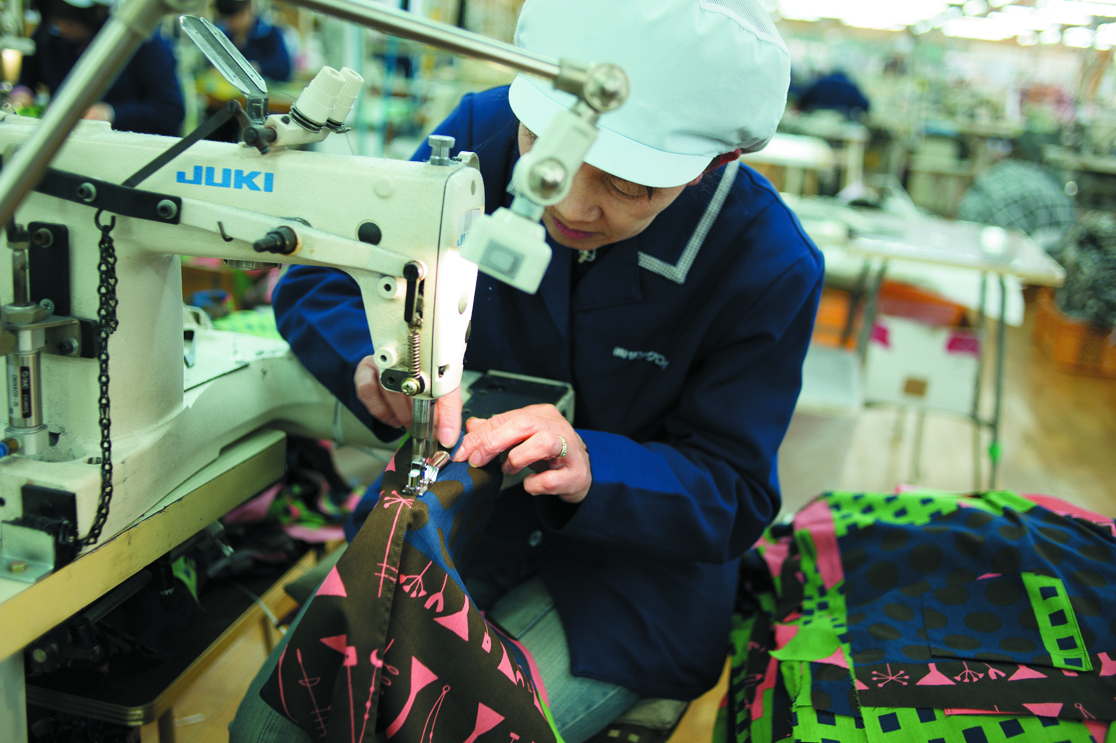
Patterned textiles are cut and sewn in our factory in Kunisaki Peninsula, Oita, using original sewing machines that have been continuously improved on by on-site craftspeople and sewing machine technicians since our establishment about 80 years ago. We put great value on wearing comfort and quality as well as productivity.
Cutting the material while avoiding bends or wrinkles.
Sewing with attention to every detail on machines that have been constantly improved for excellence of touch and strength.
The sewn products are individually ironed, folded and placed in packages.
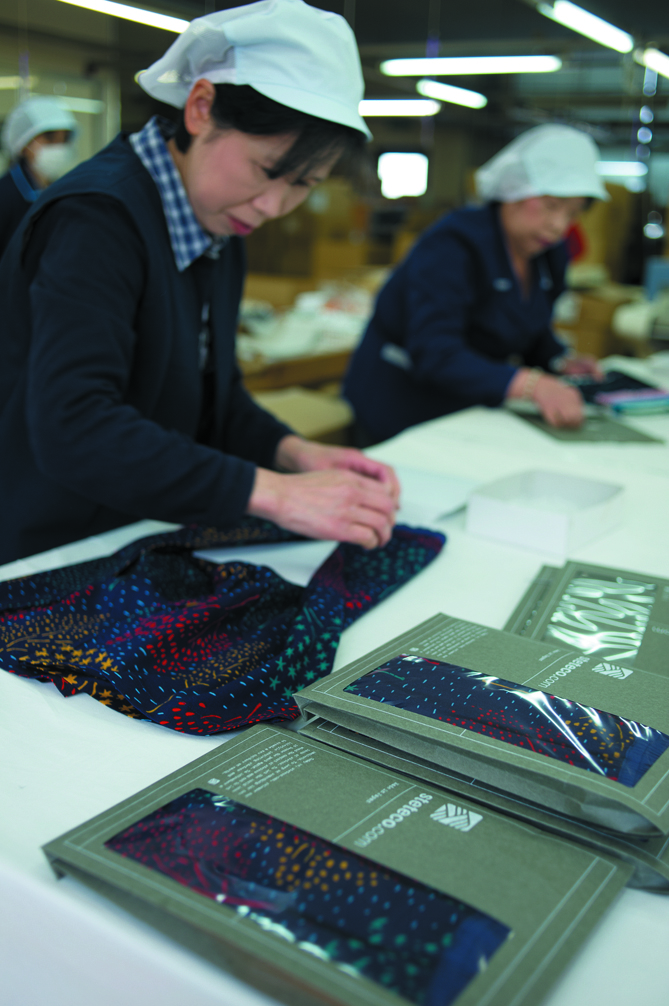
Photo by steteco.com